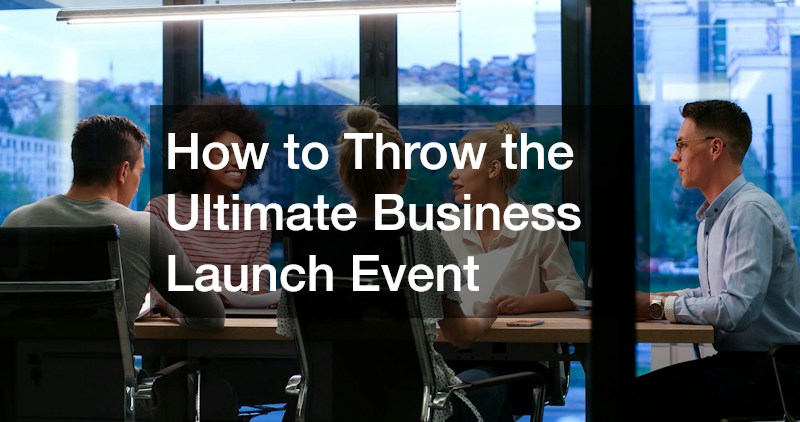
Opening the doors to a new enterprise marks a defining milestone in an entrepreneurial journey. A launch event is far more than a celebratory social gathering; it is a high-stakes commercial catalyst designed to convert passive curiosity into immediate foot traffic, paying clientele, and sustained regional buzz. When executed with precision, a grand opening establishes brand equity, generates immediate top-line revenue, attracts influential media coverage, and cements relationships with local community stakeholders. It sets the tone for how your enterprise is perceived in the marketplace and lays the groundwork for sustained consumer loyalty.
Too many promising organizations stumble during this critical debut because they treat the occasion as a standard cocktail party rather than an intentional customer acquisition activation. Without rigorous logistical planning, events suffer from disorganized vendor arrivals, code compliance setbacks, sparse attendance, awkward spatial layouts, and diluted messaging. When guests spend their evening waiting in congested registration lines or staring at unfinished displays, the initial enthusiasm evaporates.
Executing an extraordinary launch demands an operational playbook that bridges behind-the-scenes engineering with polished guest hospitality. From coordinating heavy site freight and securing municipal clearances to producing eye-catching architectural wayfinding and deploying targeted acquisition campaigns, every detail must reinforce your core value proposition. Treating your opening day as a strategic brand showcase allows you to capture consumer attention, build authentic relationships, and turn first-time attendees into lifetime advocates.
Establishing Venue Logistics and Staging Heavy Display Hardware
The physical venue serves as the canvas for your brand activation, making spatial planning the cornerstone of event production. Long before invitations circulate, event producers must execute a comprehensive technical audit of the facility. Evaluating floor plans on paper often creates a false sense of security; a space that looks expansive on an architectural blueprint can quickly feel cramped once staging risers, beverage bars, registration tables, and product displays are brought inside. Producers must physically walk the property, measuring ceiling heights, calculating structural floor load ratings, checking electrical panel capacities, and mapping the location of three-phase power drops to avoid unexpected power outages during key presentation moments.
Moving physical equipment, custom fabrication pieces, and delicate merchandise into an event space requires rigorous transportation management. Prototype merchandise, specialized demonstration machinery, illuminated stage backdrops, and commercial hospitality appliances cannot simply be tossed into personal vehicles. Coordinating dedicated commercial moving services guarantees that oversized, fragile displays arrive on a strict minute-by-minute schedule. Commercial transport specialists utilize air-ride suspension vehicles, hydraulic liftgates, and custom crating that shield proprietary product demonstrations from vibration damage, weather exposure, and transit shock.
Managing load-in logistics also requires protecting the venue’s finished architectural surfaces. Landlords and historic facility managers impose strict damage penalties for scuffed hardwood, gouged drywall, or chipped marble entryways. Professional moving companies provide the heavy-duty protective gear—including neoprene floor runners, high-density foam door jamb protectors, and rubber-wheeled furniture dollies—necessary to stage massive displays without leaving a mark. Setting up designated staging bays away from the main entrance prevents empty transit crates, wooden pallets, and shrink wrap from cluttering guest walkways, preserving an immaculate aesthetic from the moment the doors open.
To streamline the physical staging of your venue, establish these operational protocols:
- Request an official load-in dock schedule from building management, reserving freight elevators exclusively for your vendors during setup hours.
- Conduct a full pre-event electrical load calculation with an electrician to confirm that high-draw appliances, lighting trusses, and audio amplifiers do not trip circuit breakers.
- Establish a secured, climate-controlled backstage holding zone for surplus retail inventory, packing cartons, and personal staff belongings.
- Require all equipment delivery providers to carry active cargo insurance and provide proof of coverage before unloading begins.
- Designate a dedicated facility marshal to supervise load-in traffic, check elevator padding, and direct freight vehicles to approved parking stalls.
Securing Municipal Permits and Reviewing Vendor Service Contracts
Behind every seamless public activation lies a foundation of regulatory compliance and contractual discipline. In the excitement of choosing decor and designing entertainment programs, founders often overlook local municipal ordinances. Hosting a large gathering involves legal obligations governing public assembly, occupant life safety, parking street closures, and health standards. Failing to secure the appropriate municipal authorizations can lead to immediate operational shutdowns by city inspectors, costly fines, and public embarrassment.
Navigating municipal regulations begins months ahead of your projected opening date. Depending on your operational footprint, you may need a combination of temporary use permits, fire marshal assembly approvals, amplified sound variances, and sidewalk occupancy authorizations. If your event includes passed hors d’oeuvres, prepared culinary tastings, or cocktail service, local health departments and beverage control boards require specific food handling permits and temporary liquor dispensing licenses. Partnering with a qualified business attorney provides invaluable guidance through this bureaucratic maze. An attorney helps you identify jurisdictional requirements, file petitions before municipal deadlines, and draft emergency egress plans that satisfy stringent local fire codes.
Beyond municipal compliance, managing external vendors requires formal contract management. A launch event relies on a diverse network of independent suppliers: audiovisual technicians, security guards, caterers, lighting designers, and talent agencies. Handshake agreements and vague digital invoices leave your business vulnerable to sudden cancellations, unauthorized surcharges, and sub-par execution.
Consulting experienced business lawyers allows you to structure ironclad master service agreements that protect your company’s interests:
- Include clear indemnification clauses that hold outside contractors financially liable for property damage or personal injury caused by their equipment or personnel.
- Establish non-negotiable performance milestones, defining exact setup completion deadlines, technical rehearsal times, and strike windows.
- Incorporate explicit penalty clauses that reduce vendor compensation if critical personnel arrive late or fail to deliver agreed-upon hardware specifications.
- Review venue lease riders and third-party vendor insurance policies to verify adequate commercial general liability coverage limits.
- Formulate clear protocols for handling force majeure occurrences, uncooperative weather conditions, and unexpected power outages.
Addressing these structural protections long before opening night shields your organization from financial liability and operational disruptions. When service providers know they are held to clear contractual standards, they approach their commitments with heightened professionalism, allowing you to focus on engaging your guests.
Directing Foot Traffic and Building High-Impact Visual Landmarks
The psychological experience of an event begins the instant an attendee arrives at the perimeter of your property. Clear, intuitive visual cues eliminate the frustration of searching for parking, hunting for entrances, or wondering where to register. Modern retail and commercial layout design relies on intentional visual landmarks that guide visitors through an immersive brand journey. Strategic wayfinding reduces crowd congestion, distributes foot traffic evenly across promotional exhibits, and creates organic opportunities for product engagement.
Establishing an authoritative visual presence starts outdoors. Engaging professional sign companies ensures that your exterior visual communication is durable, compliant with municipal zoning codes, and visible from major traffic corridors. Commercial sign fabricators design heavy-duty aluminum A-frames, wind-resistant vinyl perimeter feather banners, and high-contrast entrance pylons that direct arriving vehicles into designated parking structures and lead pedestrians straight to the registration desk. Professional installation prevents temporary signs from tipping over in sudden gusts of wind, maintaining a crisp, established appearance throughout the day.
Once visitors approach the primary entrance, permanent architectural branding takes center stage. Prominent, high-caliber Business Signs serve as permanent focal points that anchor your physical location within the neighborhood. Investing in dimensional, reverse-halo-lit channel letters, brushed metal plaque markers, and polished acrylic blade signs establishes immediate commercial credibility. These permanent fixtures act as striking backdrops for press photography, broadcast news coverage, and attendee selfies, amplifying your grand opening far beyond the physical boundaries of the room.
To create an intuitive flow that maximizes attendee engagement, incorporate these spatial and visual design strategies:
- Position outdoor registration and check-in desks at least twenty-five feet inside the primary entrance to prevent bottlenecking at the front doors.
- Install high-contrast, eye-level arrow markers at every corridor intersection, pointing visitors toward restrooms, presentation stages, and refreshment bars.
- Construct an illuminated step-and-repeat backdrop near the entrance, featuring your logo and event sponsors, to encourage guests to capture and share photographs online.
- Use overhead directional suspended markers rather than ground-level placards in high-density areas where standing crowds block floor lines of sight.
- Place premier product display tables along the natural right-hand circulation path, capitalizing on instinctive consumer walking patterns.
Carefully designed spatial layouts prevent visual clutter and keep crowds moving smoothly. When guests navigate a space effortlessly, their energy remains focused on exploring your products, speaking with your representatives, and absorbing your brand narrative.
Curating Immersive Interior Environments and Procuring Hospitality Assets
Transforming a bare commercial storefront, warehouse, or office into an inviting, high-energy environment requires thoughtful interior staging. Guests should feel an immediate shift in atmosphere the moment they cross the threshold. The combination of tactile furnishings, intentional lighting temperatures, ambient soundscapes, and hospitality services works synergistically to elevate your brand from an abstract commercial entity into an unforgettable experience.
Building a flexible, functional event layout often requires temporary interior infrastructure. Sourcing premium fixtures through commercial event rentals allows you to customize the room’s architecture without making expensive, permanent furniture purchases. Rental partners provide velvet lounge seating groupings, brushed-brass cocktail high-top tables, modular bars, polished chrome stanchions, and elevated stage risers that match your corporate color palette. Creating distinct micro-environments—such as a vibrant presentation area, an interactive product testing counter, and an intimate lounge space—encourages guests to linger, converse, and engage across multiple touchpoints.
To soften architectural lines and introduce sensory warmth, integrate bespoke botanical elements throughout the venue. Curating fresh, architectural floral arrangements brings organic vitality into industrial or corporate spaces. Professional florists design striking entryway urns, living greenery accent walls, and low-profile cocktail table arrangements that enrich the space without obstructing sightlines or conversational flow:
- Select regional, seasonal blooms and structural foliage that align with your corporate brand aesthetics, avoiding overly fragrant varieties that compete with food aromas.
- Install vertical living plant walls behind main check-in counters or photo stations to introduce lush, photogenic texture that pops in social media feeds.
- Anchor VIP tables and product demonstration counters with clean, minimalist botanical centerpieces set in matte ceramic or geometric metallic vessels.
- Place large statement plants, such as fiddle-leaf figs or potted palms, at dead corners and structural columns to guide peripheral foot traffic.
Hospitality execution must be synchronized with your event programming. Beverage stations and food distribution points should be dispersed throughout the perimeter rather than clustered in a single area, preventing chaotic line formations. Passed appetizers should be bite-sized and mess-free, allowing guests to eat comfortably while standing, holding a drink, and networking. Sizing the sound reinforcement system correctly ensures that background playlists create energy without forcing guests to shout, while wireless microphones provide crisp speech clarity during executive announcements.
Driving Targeted Guest Registrations and Unifying Event Personnel
An impeccably planned venue remains an empty shell without an energized, highly qualified audience. The commercial success of a launch event depends on your ability to attract attendees who hold genuine purchasing authority, media influence, or community standing. Filling the room requires a calculated promotional strategy that combines broad regional visibility with direct, personalized outreach. Relying solely on passive word-of-mouth or last-minute announcements guarantees low turnout and poor commercial returns.
Executing a high-converting promotional campaign requires utilizing the best digital marketing channels to capture and nurture prospective attendees weeks in advance. A multi-channel promotional campaign builds sustained anticipation across every digital platform:
- Run hyper-localized social advertising campaigns targeted by postal code, professional title, and consumer interest profiles, directing traffic to a high-converting RSVP landing page.
- Implement automated email confirmation workflows that deliver calendar invites, parking instructions, and exclusive product teasers immediately upon registration.
- Run search engine marketing ads capturing high-intent local searches related to your industry, new business openings, and community events.
- Retarget website visitors who initiated registration but abandoned the form, using countdown ads to emphasize limited capacity and exclusive VIP access.
- Partner with regional micro-influencers and industry thought leaders, providing them with custom digital invite passes to share with their professional followings.
While external marketing brings attendees to your venue, the internal presentation of your staff shapes how your business is perceived on-site. Every employee, product specialist, and registration host acts as a living brand ambassador. Dressing your front-line personnel in crisp, branded custom shirts creates an immediate visual standard of unity and professionalism. Choosing premium, breathable textiles with embroidered or high-density screen-printed logos ensures your staff looks polished and approachable throughout a long, demanding event.
A successful business launch event is not an accident of good fortune; it is the natural outcome of meticulous operational planning, strategic risk mitigation, and generous hospitality. When you combine precise freight logistics, strict municipal compliance, high-visibility architectural branding, and targeted digital acquisition, you create an environment where your enterprise can truly shine.
The impression you leave on opening night establishes your company’s reputation in the local community. By managing every touchpoint—from the visual clarity of your outdoor signage to the warmth of your front-line personnel—you demonstrate that your business operates at the highest standard of excellence. Approach your launch event with strategic purpose and unwavering attention to detail, and you will transform your grand opening from a simple calendar date into the launchpad for decades of commercial growth.